
Construction site hazards can lead to serious injuries when workers lack proper protection.
Malaysian employers are required under the Occupational Safety and Health Act 1994 (OSHA 1994) to provide suitable PPE for construction workers at no cost.
Contractors, site supervisors, and business owners must ensure workers are protected against common risks such as falls, falling objects, dust, chemicals, and moving machinery.
This article covers the essential PPE needed to support worker safety and DOSH compliance.
What Is PPE for Construction Workers?
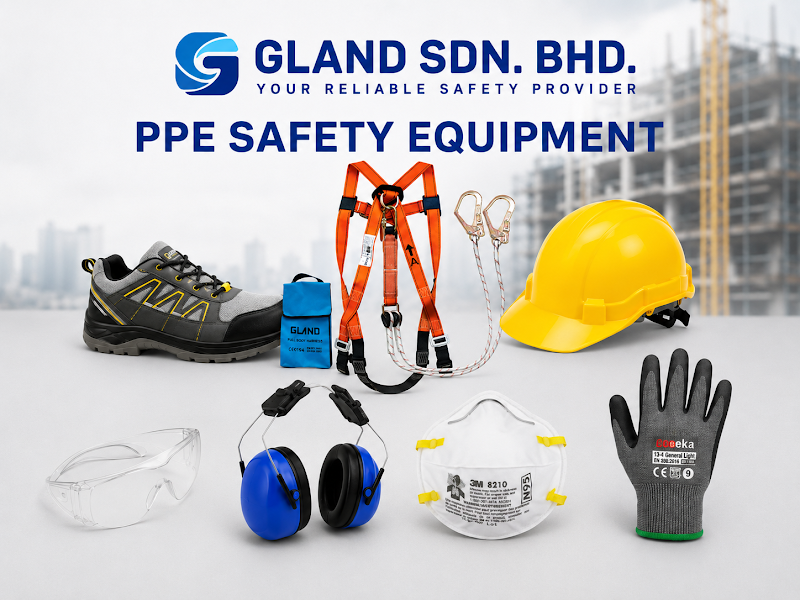
PPE for construction workers includes the protective equipment needed to reduce injury risks during daily site operations.
Safety helmets, boots, gloves, visibility wear, harnesses, eye protection, hearing protection, and respiratory equipment must suit the worker’s actual task and level of exposure.
Poor PPE selection can lead to workplace injuries, project delays, compliance issues, and higher operational costs. Contractors also need to ensure each item is suitable, properly fitted, and ready for use before work begins.
GLAND helps construction companies assess site risks and identify suitable PPE for different job roles.
Contact GLAND to arrange a construction site PPE assessment.
Why PPE Is Required by Law in Malaysia
The Occupational Safety and Health Act 1994 (OSHA 1994) requires employers to protect workers from site hazards, while the Factories and Machinery Act 1967 sets additional safety obligations for machinery, lifting equipment, and heavy plant operations.
DOSH can take action when PPE is missing, damaged, unsuitable, or poorly managed. Employers must provide PPE at no cost, keep it fit for use, and train workers before hazardous work begins.
PPE compliance must be checked throughout the project. Delays in replacing worn equipment or updating protection for new tasks can lead to enforcement action, stop-work disruption, higher costs, and greater liability after an accident.
6 Core Categories of Construction Safety Equipment PPE
Construction safety equipment PPE falls into distinct categories, and matching the right category to the right task determines whether a site passes a DOSH inspection.
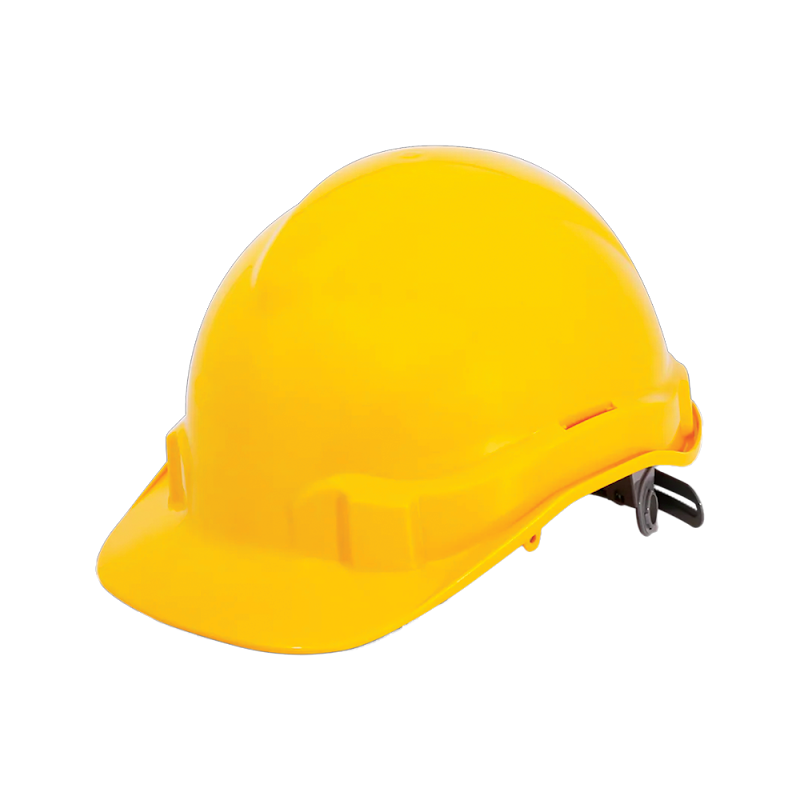
1. Head protection (safety helmets)
Protects against falling objects and head impact. Required for head protection in active construction zones.
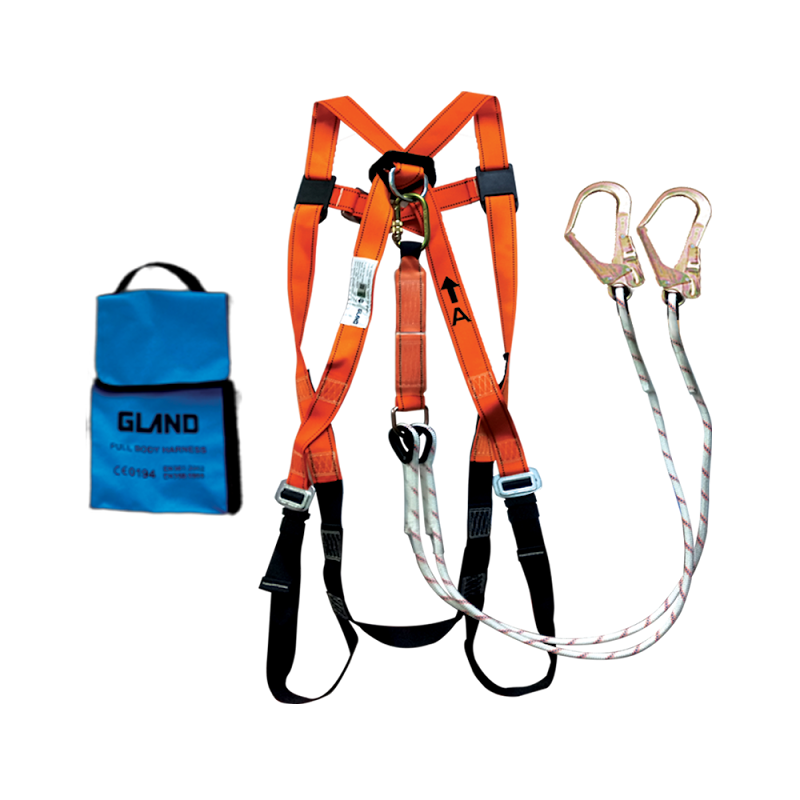
2. Fall protection (harnesses, lanyards)
Reduces fall risks during work at height. It is mandatory to use full body harness for work above 3 metres under DOSH guidance.
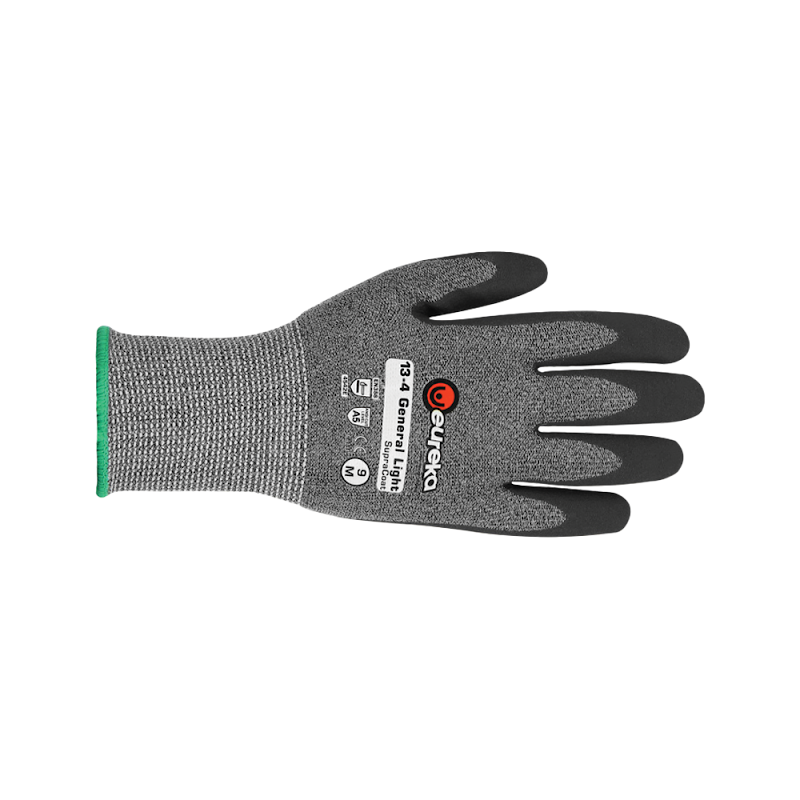
3. Hand protection (gloves)
Protects against cuts, abrasion, and chemical contact. Glove type must match the site hazard for efficient hand protection.
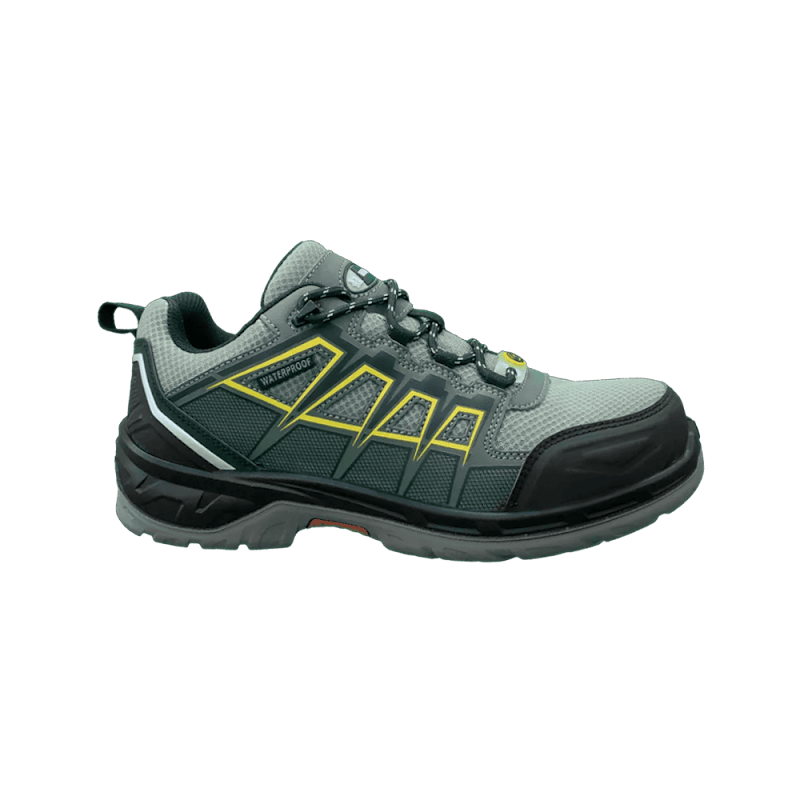
4. Foot protection (safety boots)
Protects against punctures and crush injuries. Steel or composite toe caps are required for safety boots in Malaysia.
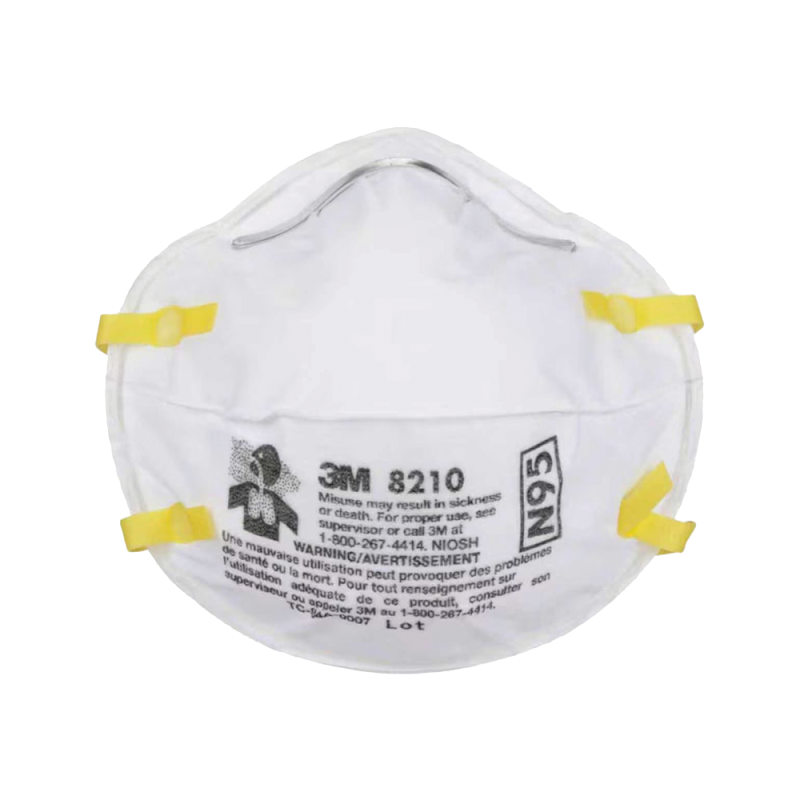
5. Respiratory protection (masks, respirators)
Protects against dust, fumes, and silica exposure. Equipment for respirator protection must be rated for the airborne contaminant.
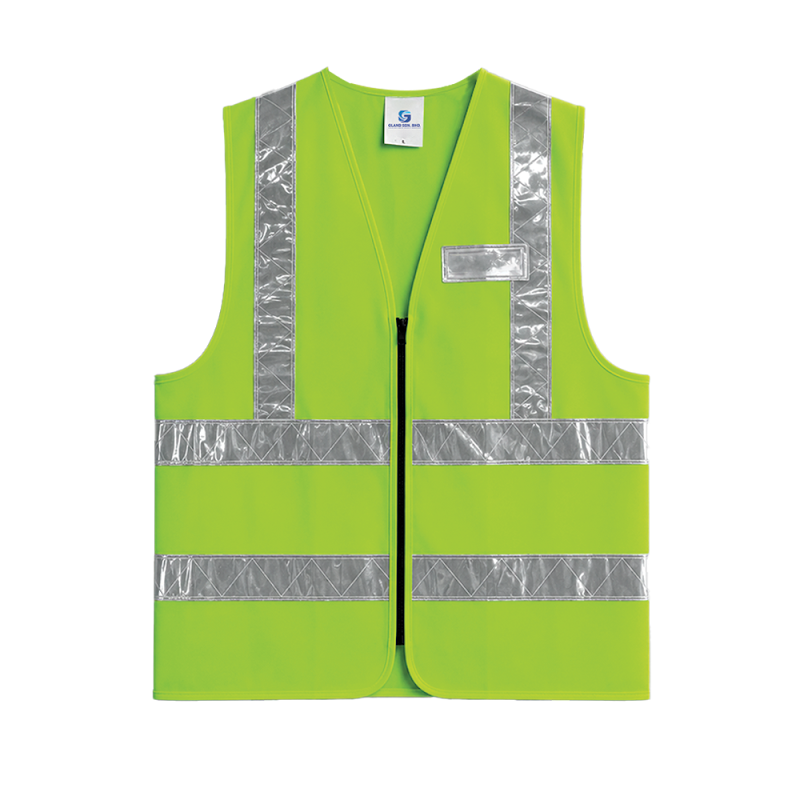
6. Visibility gear (high-visibility vests)
Helps prevent collisions with vehicles and machinery. Required to wear safety vest in Malaysia at areas with moving plants.
GLAND supplies each of these categories pre-matched to Malaysian construction hazard profiles, so site supervisors do not have to guess at specification.
Find out what are the best safety shoes in Malaysia you could get for the safety of your construction workers on site.
Speak with GLAND’s team to map your site’s PPE requirements against DOSH categories.
4 Common PPE Compliance Gaps on Construction Sites in Malaysia
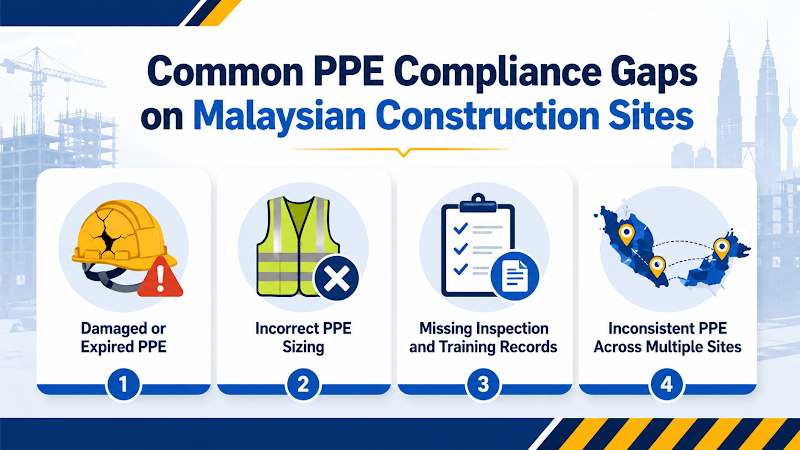
Many construction sites have PPE in stock but still fail compliance checks because the equipment is unsuitable, poorly maintained, or not properly recorded.
1. Damaged or Expired PPE
Cracked helmets, worn safety boots, and overdue harnesses may no longer provide adequate protection.
2. Incorrect PPE Sizing
Loose gloves and poorly fitted boots can affect movement, comfort, and worker compliance during tasks.
3. Missing Inspection and Training Records
Contractors may struggle during a DOSH audit when PPE checks, replacement dates, and worker training cannot be verified.
4. Inconsistent PPE Across Multiple Sites
Separate purchasing for each project can create stock shortages, uneven standards, and gaps in compliance records.
These issues should be corrected before they result in a failed inspection, work disruption, or preventable injury.
Contact GLAND to set up a site-wide PPE compliance review before your next DOSH inspection.
Keep Every Construction Site PPE-Ready with GLAND
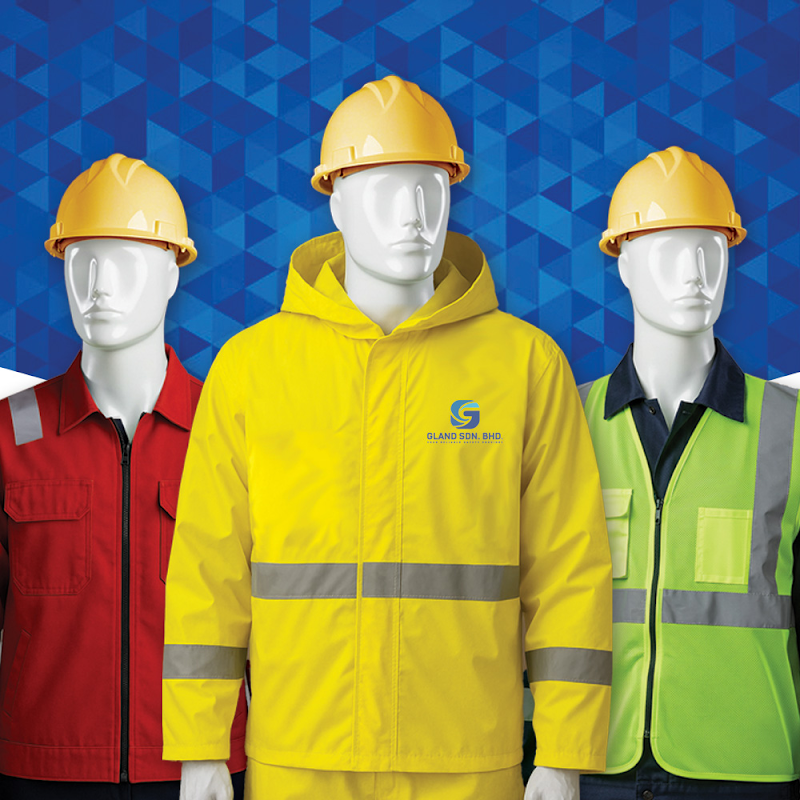
GLAND helps construction companies build a practical PPE system based on site hazards, worker roles, sizing needs, and audit requirements.
As a trusted PPE supplier in Malaysia, GLAND provides safety helmets, harnesses, gloves, respiratory protection, footwear, and other essential equipment suited to each task.
Companies can also order a customised safety vest with logo to improve worker visibility and site identification.
Our consistent product supply across multiple locations also makes stock control, replacements, and DOSH documentation easier to manage.
Book Your PPE Compliance Review Before the Next DOSH Inspection
PPE gaps in fit, condition, or documentation can expose employers to liability under OSHA 1994 and disrupt site operations.
GLAND supplies construction safety equipment PPE suited to Malaysian site hazards and supports the records needed for DOSH audits.
Contact GLAND today to review your PPE setup, replace compliance gaps, and keep your site ready for inspection.