
ESD shoes work by giving static charge a controlled, low-resistance path from the wearer’s body, through the sole and into a grounded ESD floor, so the charge drains away before it can jump into sensitive electronics.
Anti-static shoes follow the same principle with a much wider resistance limit, which reduces static build-up on people but does not meet the tighter control that electronics and cleanroom areas need.
GLAND can match it to SIRIM-DOSH approved safety boots in Malaysia and quote for your headcount.
How Do ESD Shoes Work on the Production Floor?
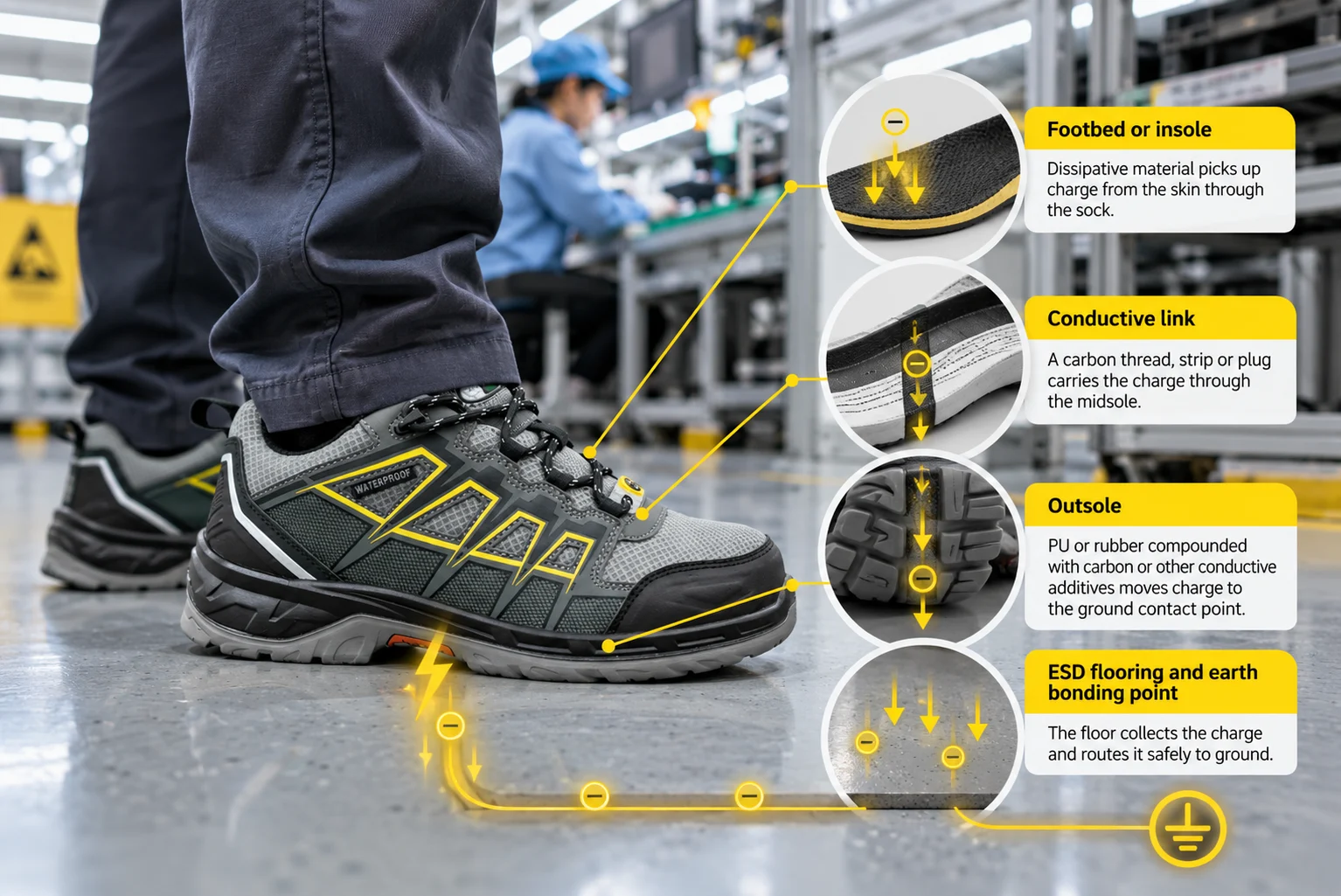
Static is created every time a sole rubs against a floor and separates electrical charge. A worker walking across vinyl can carry a few thousand volts without feeling it, while many electronic components can be damaged by discharges far below what a person can sense.
ESD shoes prevent that charge from accumulating by draining it continuously, step after step.
The conductive path from foot to floor
ESD footwear is built as a chain of dissipative parts that must all stay connected:
- Footbed or insole: dissipative material picks up charge from the skin through the sock.
- Conductive link: a carbon thread, strip or plug carries the charge through the midsole.
- Outsole: PU or rubber compounded with carbon or other conductive additives moves charge to the ground contact point.
- ESD flooring and earth bonding point: the floor collects the charge and routes it safely to ground.
Why the floor matters as much as the shoe
An ESD shoe can only release charge into a grounded floor.
Standard tiles or sealed epoxy give the charge nowhere to go, and insulating insoles, synthetic socks, dried mud or floor wax break the path too.
Most electronics facilities therefore test every pair at the entrance of the electrostatic protected area (EPA) before each shift.
The Key Differences of ESD vs Anti Static Shoes
Both types manage static, but they are tested to different standards and resistance limits.
| Factor | ESD shoes | Anti-static shoes |
|---|---|---|
| Resistance range | 100 kΩ to 100 MΩ | 100 kΩ to 1,000 MΩ |
| Key standards | IEC 61340-4-3 (test), IEC 61340-5-1 (EPA programme) | EN ISO 20345 / MS ISO 20345 (marked “A”, built into S1 to S3 classes) |
| Main purpose | Protect sensitive components and products from discharge | Reduce charge build-up on the wearer and lower spark risk |
| Works best with | Grounded ESD flooring inside a defined EPA | General industrial and warehouse floors |
| Typical workplaces | PCB and electronics assembly, semiconductor, data centres, cleanrooms | Logistics, manufacturing, fuel and chemical handling areas |
| Checking routine | Tested at EPA entry, usually every shift | Periodic visual and condition inspection |
A useful rule of thumb: every ESD shoe also sits within anti static limits, but an anti static shoe does not automatically qualify as ESD because its upper limit is ten times higher.
Neither type is an insulating electrical shoe
ESD and anti static footwear are designed to conduct a small amount of charge to ground.
They should never be issued for live electrical work, where electricians need insulating electrical hazard footwear instead.
Which Safety Shoe Does Your Workplace Need?

The right choice depends on what you are protecting: the product, the person, or both.
1. Electronics handling inside an EPA calls for ESD shoes, as exposed PCBs and chips are sensitive to small discharges.
2. General factory and warehouse areas are usually well served by anti static footwear.
3. Sites with falling objects or forklift traffic need static control plus toe and midsole protection; S1, S2 and S3 rated shoes under EN ISO 20345 already include anti static properties.
4. Floor condition should be confirmed before purchase, because ESD shoes on an ungrounded floor will not deliver ESD-level protection.
Where flammable vapours or combustible dust are present, footwear is only one control, and selection should follow your site HIRARC as guided by DOSH.
Discover the best safety shoes in Malaysia provided by GLAND to ensure your workers’ safety.
Share your work area, floor type and headcount with GLAND, and the team will shortlist models with the exact standard shown on each product page.
How to Keep ESD Shoes Performing Over Time

Static performance drops as soles wear and collect contamination:
- Outsoles stay conductive longer when cleaned with a residue-free cleaner instead of silicone or wax polish.
- Only the insole supplied with the shoe should be used, since aftermarket gel or foam insoles often insulate.
- Replacement is due once the tread wears flat, the sole cracks, or the pair fails the tester repeatedly.
Protect Your Workforce and Equipment with GLAND Safety Shoes
GLAND addresses safety shoes that covers static control, toe protection and Malaysian approval
We have OSCAR safety shoes that combine ESD protection with SIRIM-DOSH approval, so a single specification can cover several workplace risks.
OSCAR Sport Max Series
|
OSCAR GeoSync Series
|
Black Hammer UltraGrip Pro BHS 22006
|
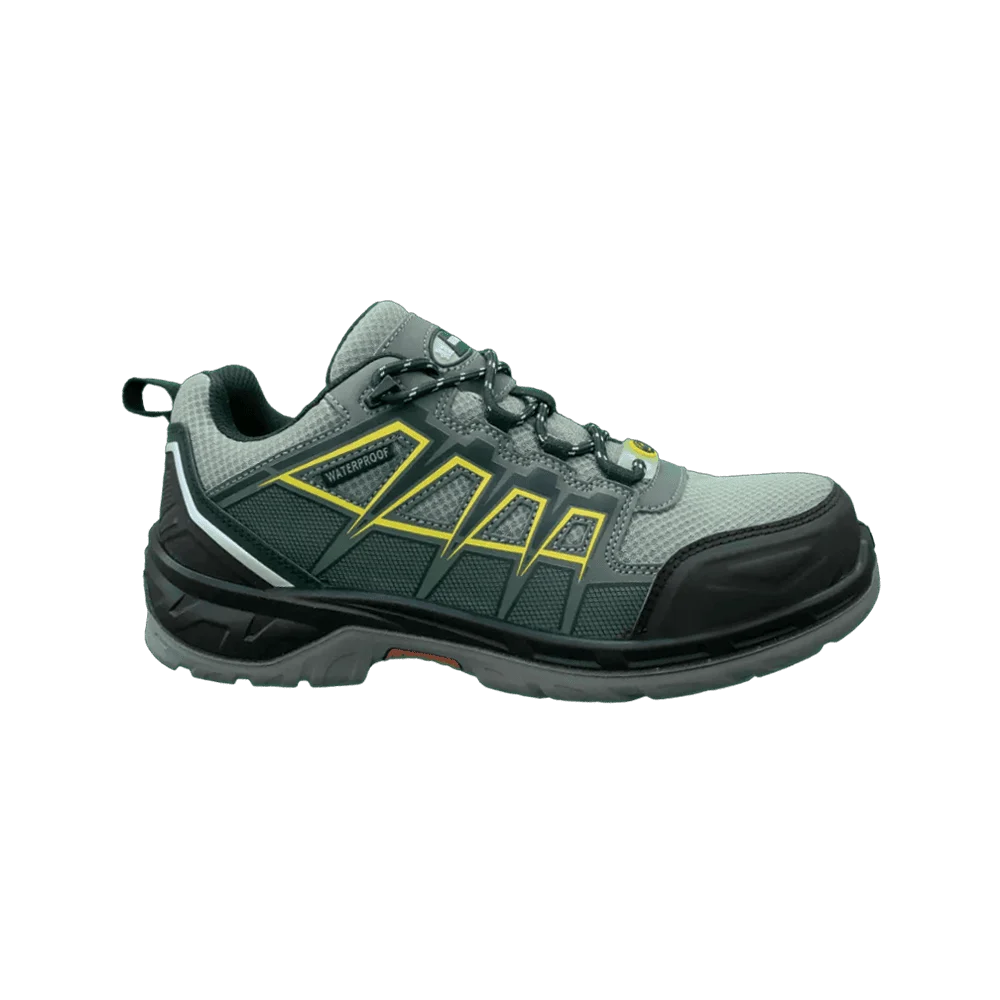
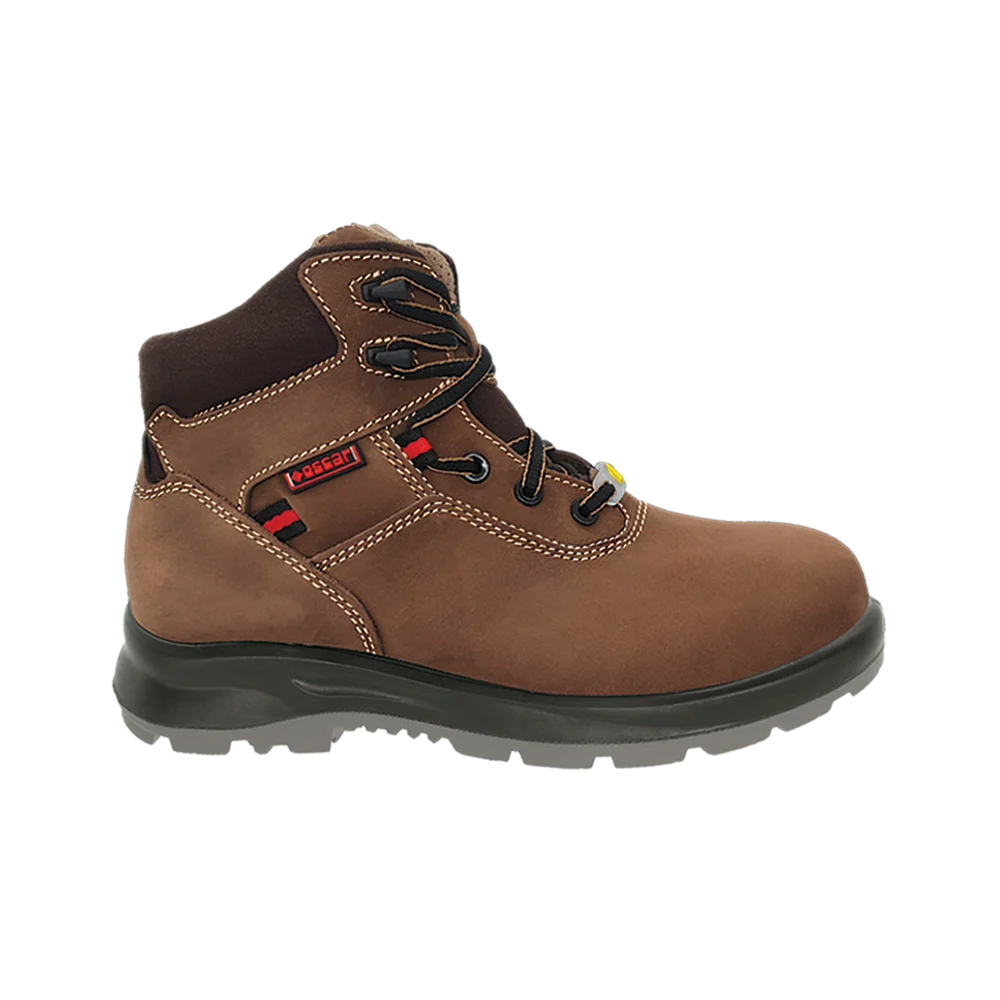
Established in 1997, GLAND has supported more than 3,000 businesses from its Kuala Lumpur and Johor Bahru branches, narrowing footwear by hazard, standard and size before quoting.
Get the Right Safety Footwear for Your Workplace with GLAND
Make workplace safety a priority with footwear suited to your industry’s demands.
With experience in industrial safety since 1997, GLAND offers reliable solutions to support your team’s protection.
Contact GLAND today for personalised safety footwear recommendations and a quotation tailored to your workplace requirements.
Frequently Asked Questions About How Do ESD Shoes Work
1. Are ESD shoes the same as anti static shoes?
No, ESD shoes meet a tighter 100 kΩ to 100 MΩ range for electronics areas, while anti static footwear such as S3 rated OSCAR models meet the wider EN ISO 20345 range of up to 1,000 MΩ.
2. Do ESD shoes work without an ESD floor?
They reduce some charge build-up, but full ESD protection needs grounded flooring, which is why GLAND asks about your floor type before recommending an OSCAR model.
3. Are GLAND’s ESD safety shoes approved in Malaysia?
The OSCAR Sport Max and GeoSync models supplied by GLAND carry SIRIM-DOSH approval, with the exact MS ISO or EN ISO 20345 standard listed on each product page.
4. Can ESD shoes be worn for live electrical work?
No, ESD shoes are designed to conduct charge to ground, so GLAND advises keeping static control footwear separate from the insulating footwear issued to electricians.
5. Can GLAND supply ESD safety shoes for a whole workforce?
Yes, GLAND prepares multi-size quotations through its Kuala Lumpur and Johor Bahru branches, with OSCAR sizes running from UK 4 to 12 depending on the series.