Categories
Certified Full Body Harness and Fall Protection Equipment in Malaysia
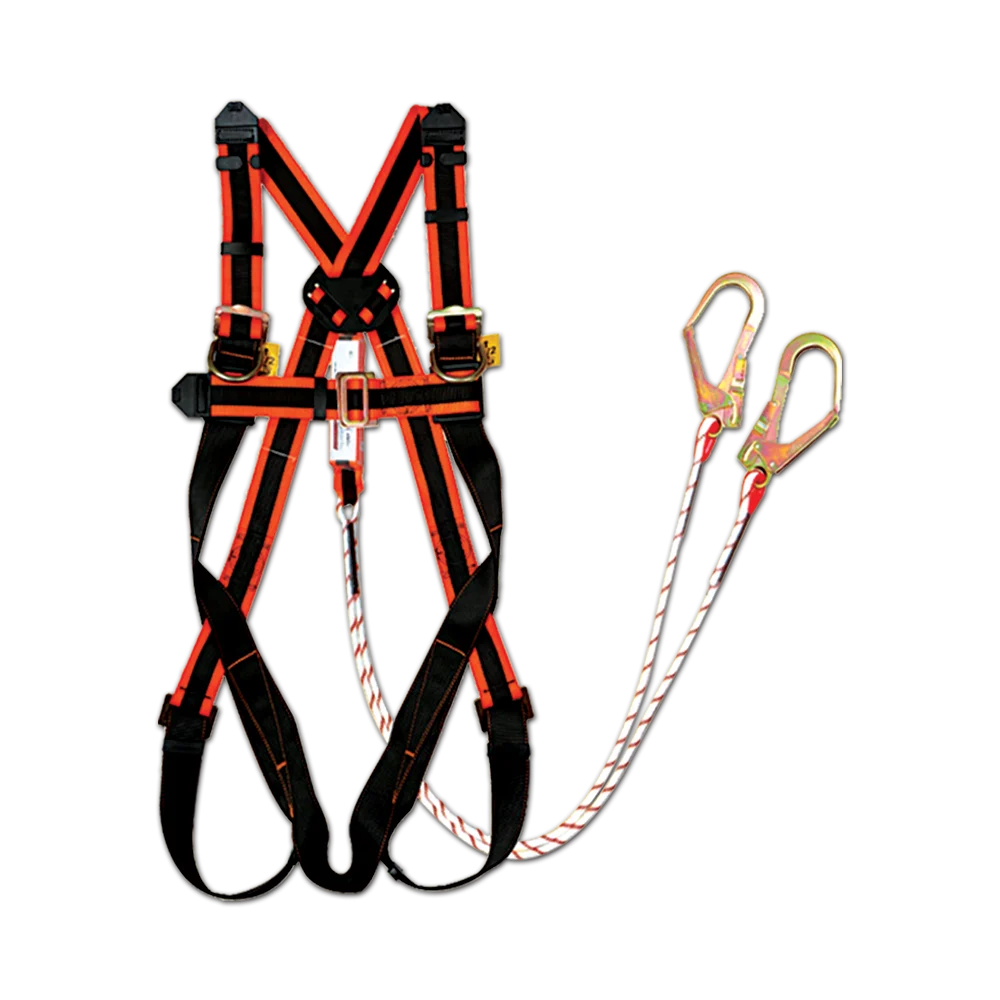
Gland supplies certified full body harness sets and fall protection equipment in Malaysia, including Proguard, Nietz and Gland harnesses with single or double kernmantle lanyards. Our harness range complies with CE EN 361 and EN 354 / EN 355 and carries SIRIM DOSH approval, with stock and advice from our Kuala Lumpur and Johor Bahru branches.
A full body harness spreads the force of a fall across the shoulders, chest, thighs and pelvis, and it is the core of any fall arrest system for work at height. Pair it with the right lanyard, anchorage connector and fall arrester for a complete system, and add construction nets and tool lanyards to protect people working below.
Malaysian employers must provide suitable fall protection for work at height under DOSH guidelines; our guide to working at height DOSH requirements explains what is expected. Tell us the task, the height and the anchor points on site, and our team will recommend a complete set.
Fall Protection
- Buying Guide
Full Body Harness With Double Lanyard or Single?
Choose by how often the worker moves between anchor points. A double lanyard keeps them tied off at all times while they move.
| Harness set | Best for |
|---|---|
| Single lanyard set | One lanyard for work at a single fixed anchor point, such as a platform edge or roof anchor. |
| Double lanyard set | Two lanyards, so the worker keeps one hook attached while moving the other to the next anchor. Suits scaffolding, steel structures and roof work. |
| 3 D-ring harness | Back D-ring for fall arrest plus side D-rings for work positioning on poles and structures. |
| Telecom harness | Built for tower climbing and telecommunication work. |
- Our Range
Fall Protection Equipment for Every Job
How each part of a fall protection system works, so you can build a complete set from the 26 products in this category.

Full Body Harness Sets
The core of the system, worn by the worker. Choose 1 D-ring for fall arrest, 3 D-rings for work positioning, or a telecom harness for tower climbing.

Lanyards
Connect the harness to the anchor. Use a double lanyard to stay tied off while moving, and add an energy absorber to soften the stop in a fall.
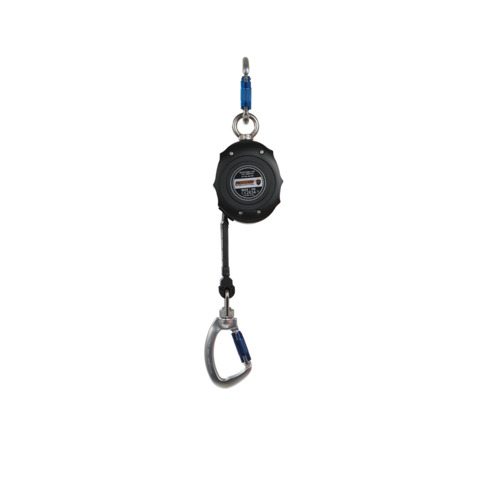
Fall Arresters and Safety Blocks
Lock onto a vertical lifeline or retract from an overhead anchor, stopping a fall within a short distance.

Anchorage Connectors and Carabiners
The fixed point the system hangs from, plus the connectors that join each part securely.

Lifelines and Tripods
Lifelines let workers move along a roof edge or beam while tied off; tripods give an anchor for confined space entry and rescue.

Construction Nets
Catch falling debris and close off open edges, protecting people working below.

Tool Lanyards and Escape Ladders
Tool lanyards stop dropped tools at height, and escape rope ladders give a safe way down in an emergency.
Need a Complete Set?
Share the task, height and anchor type, and we will recommend and quote a full system.
- Standards and Safety
Choosing and Inspecting a
Safety Body Harness
Check the standard on the label first, then the fit and condition before every use.
| Standard | What it covers |
|---|---|
| CE EN 361 | Full body harnesses |
| EN 354 / EN 355 | Lanyards and energy absorbers |
| SIRIM DOSH approval | Malaysian approval for safety equipment |
- Match the D-ring layout to the task: one back D-ring for fall arrest, three D-rings for work positioning.
- Check the fit across the shoulders, chest and legs, and adjust before every use.
- Inspect webbing for cuts, fraying and chemical damage, and check stitching, buckles and D-rings.
- Confirm the standard marks on the label, and ask us for the approval document for your model.
- Remove any harness that has arrested a fall, and follow the manufacturer's replacement guidance.
- FAQ
Frequently Asked Questions About Full Body Harnesses
What is a full body harness for?
A full body harness spreads the force of a fall across the shoulders, chest, thighs and pelvis. Connected to a lanyard and anchor point, it stops a worker falling and reduces the risk of injury.
What is the difference between a full body harness and a safety belt?
A full body harness supports the whole body and spreads fall forces, while a waist belt concentrates them in one area. Use a full body harness for fall arrest.
Do I need a single or double lanyard?
Choose a double lanyard when workers must move between anchor points without disconnecting. A single lanyard suits work at one fixed anchor.
Are Gland harnesses approved in Malaysia?
Yes. Our full body harness range carries SIRIM DOSH approval and complies with CE EN 361 and EN 354 / EN 355.
How often should a harness be inspected?
Inspect it before every use, and arrange a documented periodic inspection by a competent person as set by your safety programme.